

Autumn O-higan has come around again. Whenever it does, I find myself craving ohagi from Sentaro, a revered Kyoto sweet shop.
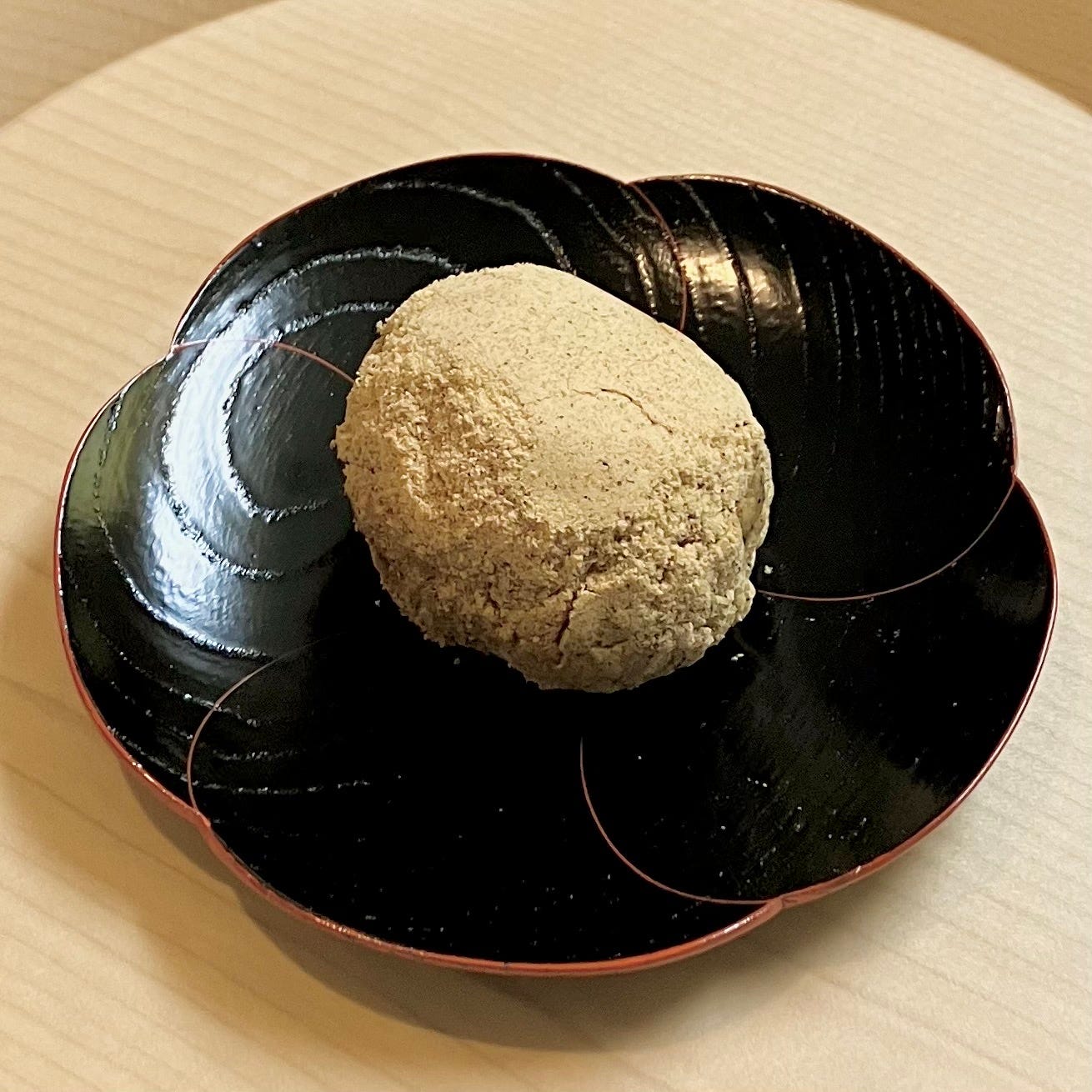
O-higan is a time to remember those who have died and make offerings in their honor. Offering ohagi is part of the tradition. But to the child I was, they weren’t just for O-higan. They were simply the taste of everyday life, thanks to my grandfather, who often brought us home ohagi from Sentaro.
Many Japanese sweets are tied to a particular season. But Sentaro’s signature ohagi were always there, sitting in the shop window no matter the month. After an evening of drinking in Gion, my grandfather never came home empty-handed. He brought either a wooden box of sushi or a paper box filled with an assortment of Sentaro’s sweets.
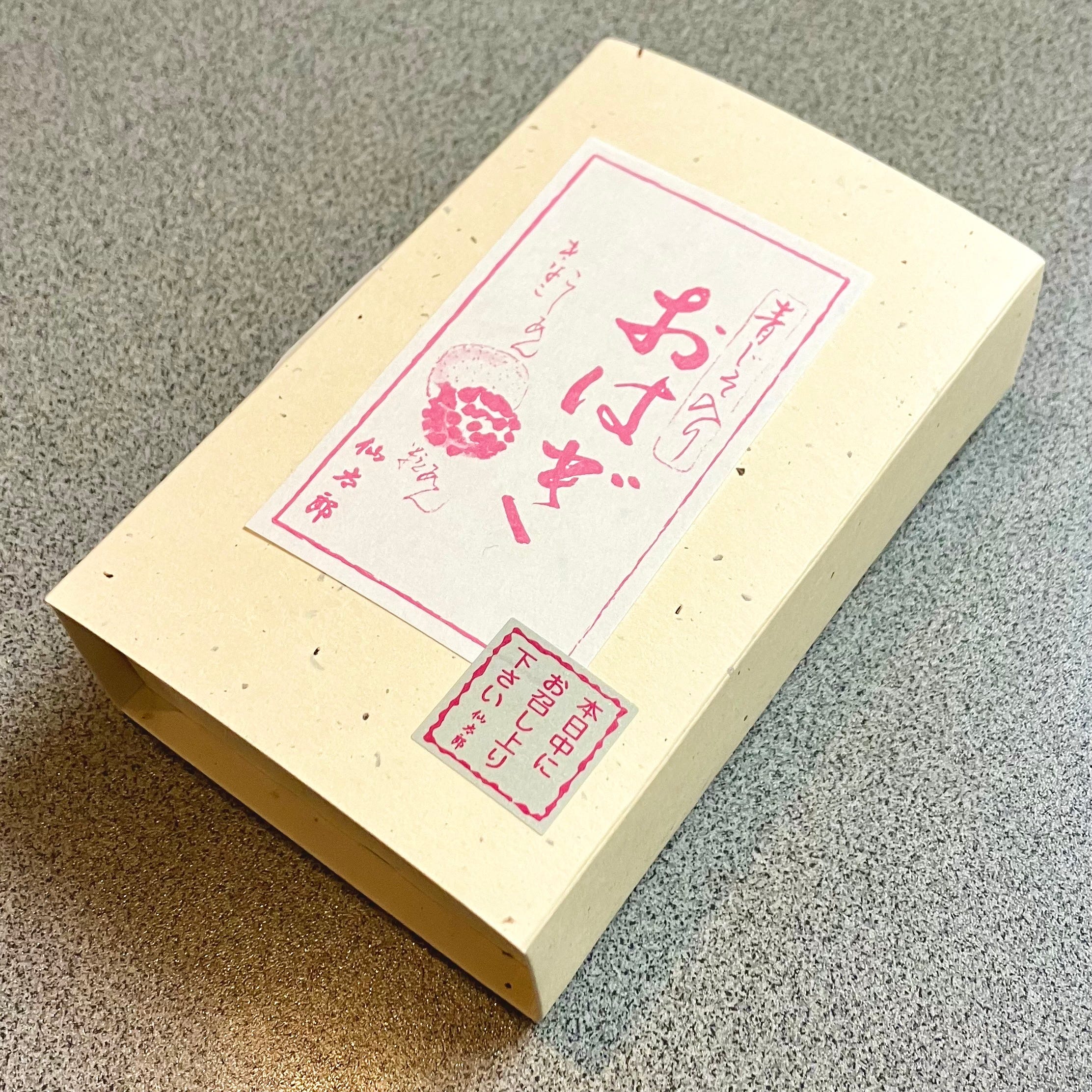
Inside the latter were five chunky red bean ohagi (tsubu-an) and five kinako-coated ones filled with smooth, strained bean paste (koshi-an). Sometimes a seasonal sweet, such as cherry-leaf-wrapped sakuramochi or minazuki, came along too.
Every time the lid was lifted, the warm, nutty scent of kinako rose into the room. Drawn by the smell, I would lean in toward the box.
A single bite yielded the familiar flavor I could never tire of. The gentle sweetness of the bean paste. The soft, sticky rice that dissolved on my tongue. Along with that came the herbal, rustic taste of green shiso folded into the rice, mingling with the toasted kinako. I always preferred the kinako-coated ohagi, with their smooth koshi-an inside, to the whole-bean kind.
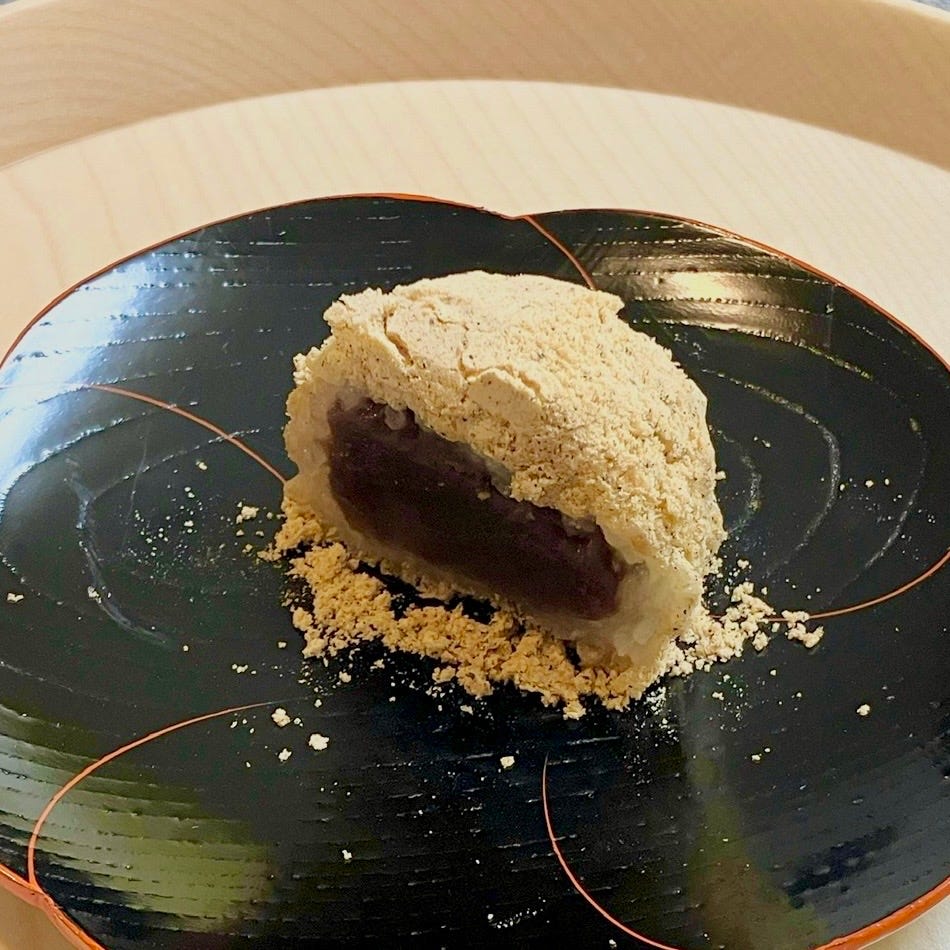
So I’d eat my way inward. First, the thick layer of rice. Then, saving the best for very last—that sweet, dense core of bean paste right in the middle. Bad manners, I knew, but that center was always the prize.
Thanks to my grandfather’s loyalty to Sentaro, I am sure I ate more ohagi growing up than any other Japanese sweet.
On mornings when I had a school test, my mother served ohagi for breakfast, insisting they would keep me full longer than a bowl of rice. In our house, sweets were never on the breakfast table, which made those test-day mornings feel like a rare, delightful treat.
My grandfather’s little gifts were never for himself; they were always for the family. In a house of sweet lovers, he was the only one who preferred sake to sweets.
He loved sake, though he could not hold much. Every evening, he enjoyed just one small glass of Kiku-Masamune, a long-established brand. He was usually quiet and gentle. But whenever he drank, a deep, hearty laugh came from the bottom of his belly.
I have no idea now what he found so funny. Yet from his laughter, I learned to associate alcohol with something cheerful and bright. Perhaps that was why I collected the miniature promotional sake bottles he gave me and set them out for my dolls, as if a merry drink were just part of their daily life.
It has been six years since my grandfather passed away.
In the years since, I have left Kyoto and built a life in Tokyo. Much of my daily routine has changed. Still, when the equinox arrives in spring or autumn, I have the same thought: I must head to a branch of Sentaro in Shinjuku for my ohagi.
What began as a simple gift my grandfather brought home has gradually changed over time. It has become a personal milestone, a way to measure the distance between myself and those who are gone.
I open the box, and the nutty scent of kinako fills the room. In that moment, I cross time and return to our old home in Kyoto. In my Tokyo apartment, I feel my grandfather’s merry presence beside me, laughing as he used to.
Even now, as a grown woman, there is one habit I cannot break: working my way inward to savor that sweet, rich center. That little confection still connects me to the days when he was here.