

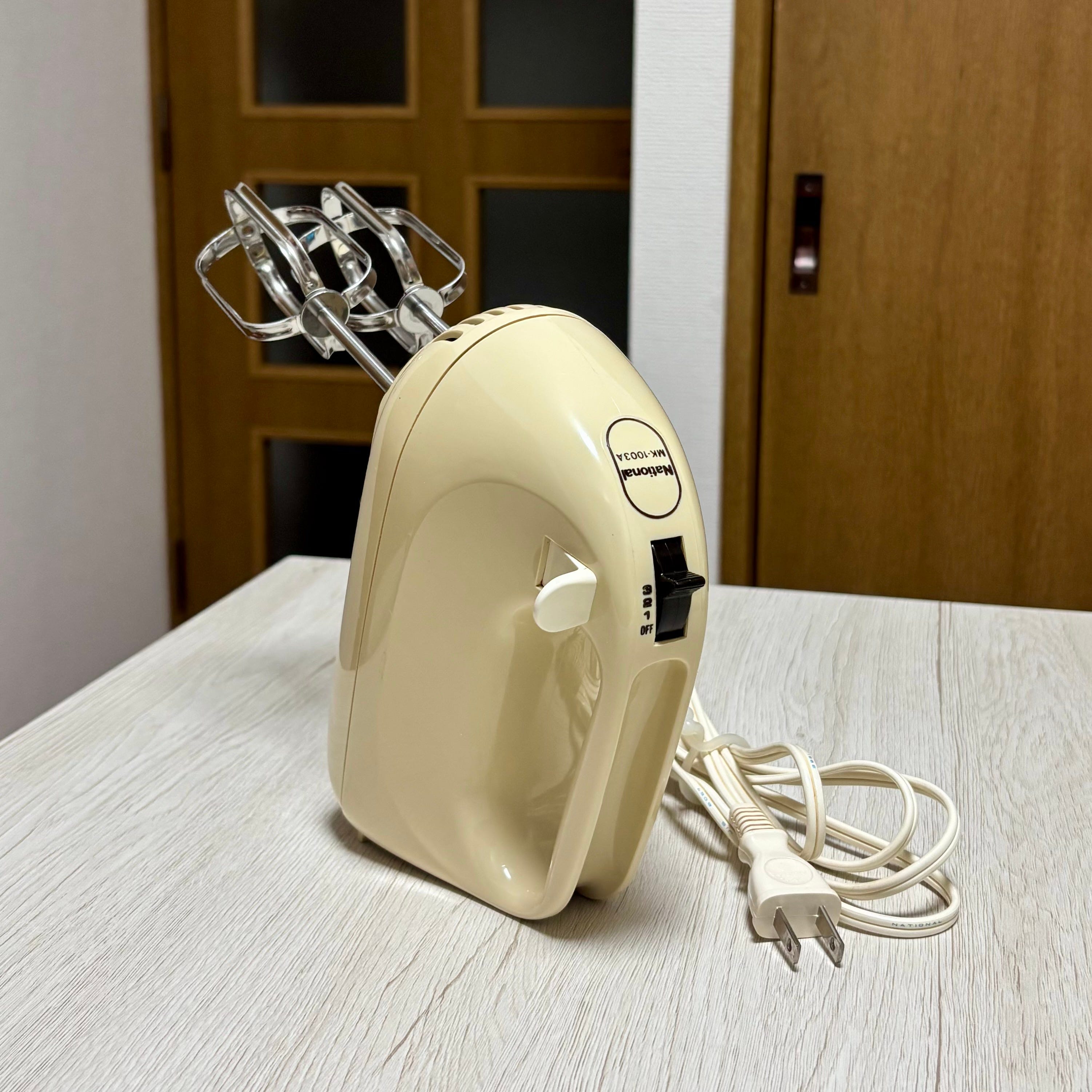
We have a hand mixer at home that has a god living inside it.
By “god,” I don’t mean God with a capital G.
The god I mean is a presence inside a physical object, imbued with human affection.
Whenever I use it to bake, I feel a steady sense of protection.
It’s a feeling that everything will be fine, that there is nothing to fear.
The mixer was made in 1982, under the National brand, now known as Panasonic. For forty-four years, it has run without a single hitch.
Yet a god doesn’t reside in it simply because it is old. It carries a blessing specifically designed to keep butter and eggs from separating.
I inherited this hand mixer from my grandmother.
She passed away when I was seventeen, and almost as if taking over her passion, I began to bake.
When I was still a beginner, the process of mixing eggs into creamed butter was nerve-wracking.
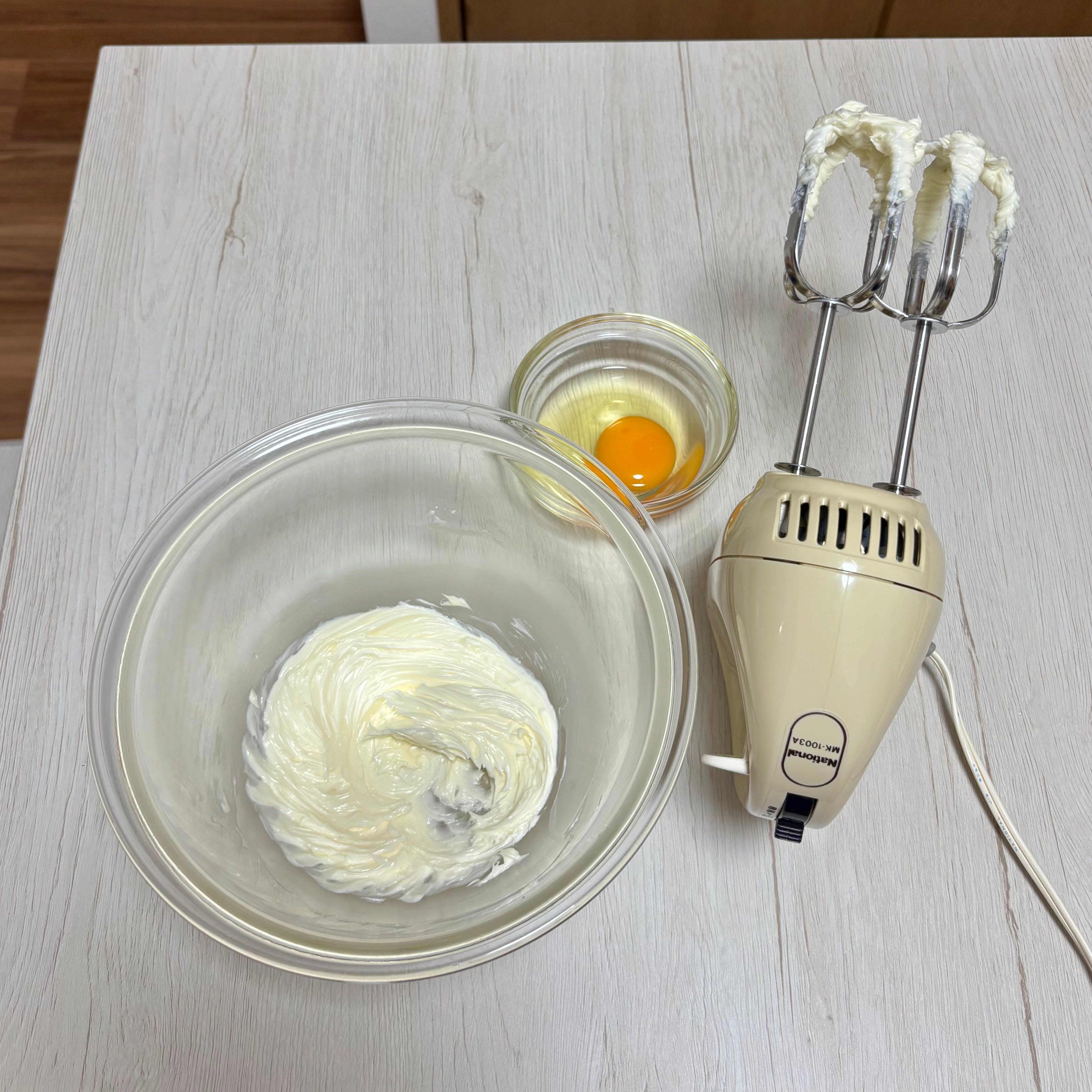
The butter accepts the eggs easily up to a point, but once you cross a certain line, it splits all too easily. More than a few times, I stood watching the batter break into fine curds, feeling uncertain what to do.
After a long process of trial and error, I finally settled on using my late grandmother’s hand mixer.
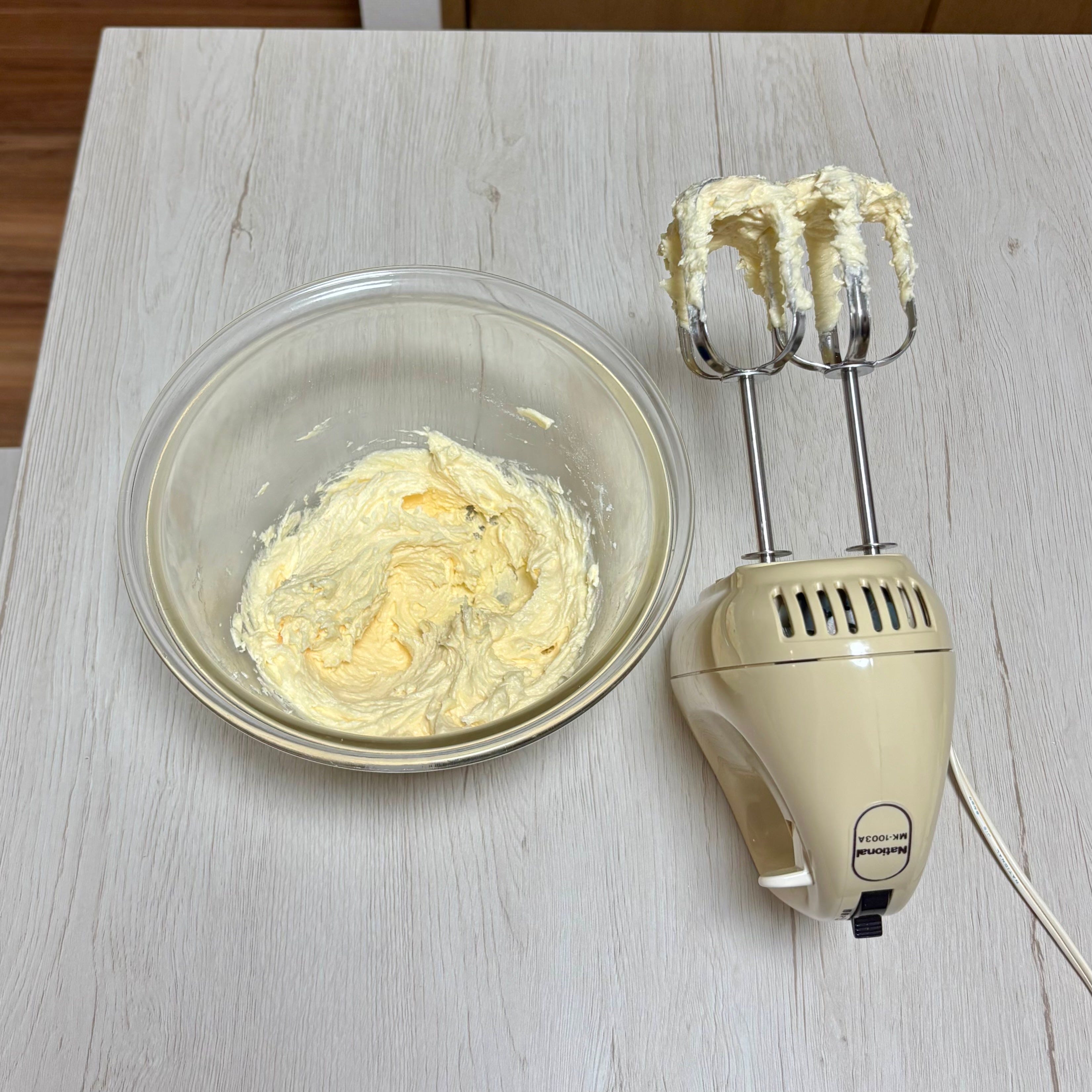
When I finally caught the knack of it, I felt my grandmother’s presence right there with me.
We cannot hold someone’s thoughts themselves in our hands. But when those thoughts inhabit an object, we can hold that object in our hands.
We live our daily lives surrounded by gods.
Konosuke Matsushita, the founder of National, is another such god. Even while he was still alive, the media constantly referred to him as the “God of Management.”
He is revered not merely for making appliances that could serve generations, but for helping shape the way companies and work are organized in Japan.
Today, his philosophy lives on around us: in household appliances, divisional management systems, and even the two-day weekend.
Perhaps that is precisely why he continues to be a god even now.
So, what is a god to the Japanese in the first place?
In Shusaku Endo’s novel Silence, a certain seventeenth-century priest offers this line:
「日本人は今日まで神の概念はもたなかったし、これからももてないだろう」
“Up until today, the Japanese have never had the concept of God, nor will they ever.”
「日本人は人間を美化したり拡張したものを神とよぶ。人間とは同じ存在をもつものを神とよぶ。だがそれは教会の神ではない」
“The Japanese call a glorified or expanded human being a god. They call something that exists on the same plane as human beings a god. But that is not the God of the Church.”
Instead of something absolute, gods to the Japanese is something that naturally dwells in nature, and even in everyday objects.
In Silence, the hidden Christians desperately sought tangible objects like rosaries.
To them, faith in the unseen remained elusive without something tangible to hold on to. Perhaps we do something similar when we reach for something we can touch with our own hands—just to feel the presence of someone who ought to be there.
It can be my grandmother’s hand mixer, or the appliances and systems created by Konosuke Matsushita.
And these gods can be found much closer to us than you might think. To someone doing a bad deed where no one is looking, the Japanese say this:
「御天道様が見ているよ」
“The sun is watching.”
Watched over and kept safe by gods all around us, we live our lives.
哲学が生き続ける素敵な記事でした。
こういう考え方、私も好きです😌