

Some dishes are not finished until you have waited for them.
I first realized this in bed, checking a recipe for something to put in the next day’s bento, the lunch I pack for work.
The recipe said that once the sweet potatoes were cooked through, they should be left to cool and sit in the pot overnight. I jump out of bed and switch on the kitchen light. I wash the sweet potatoes, slice them thin, and soak them in water.
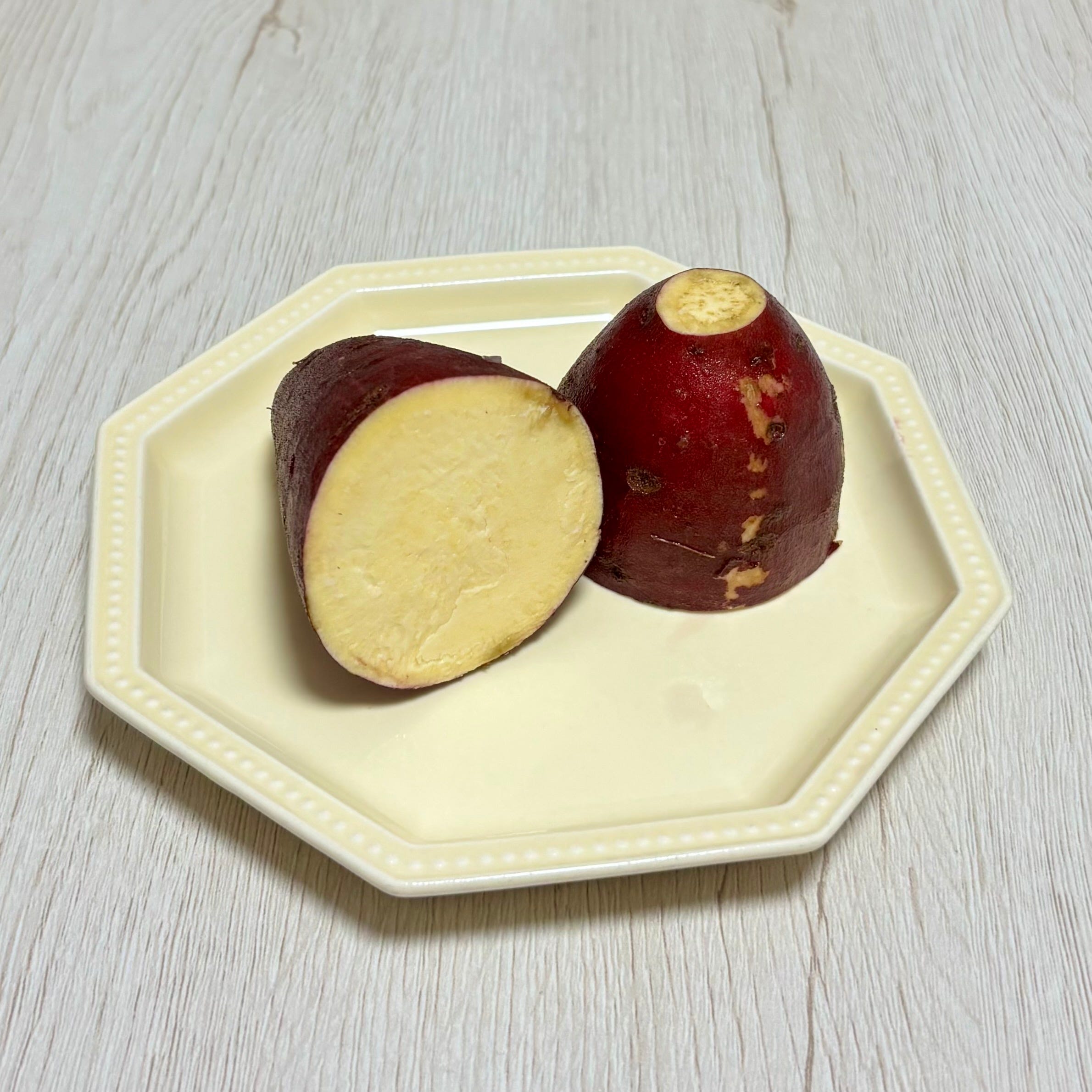
Once they are laid in the pot, I snap a kuchinashi, the dried fruit of the gardenia, in half with kitchen scissors. I drop it in and boil them for about ten minutes.
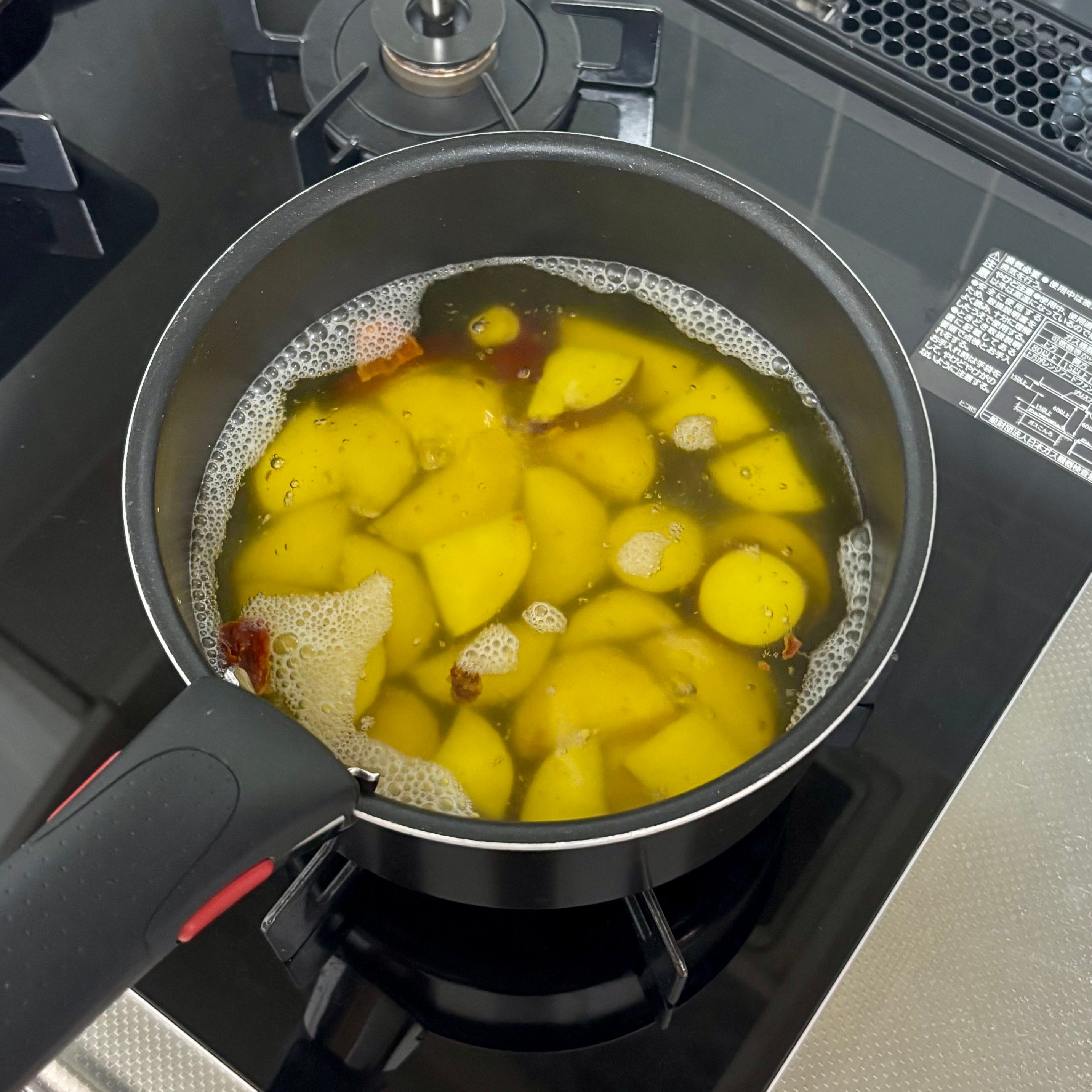
I watch a familiar yellow seep slowly into the water, then let out a breath and go back to bed.
I don’t usually go to this much trouble when I simmer sweet potatoes.
But these were for a bento. Whenever my grandmother put this dish in a bento, she colored it with kuchinashi. I had bought some so that I could follow her example.
A kuchinashi is a lumpy brown thing, rather rough-looking at first glance. It is bone-dry and hard.
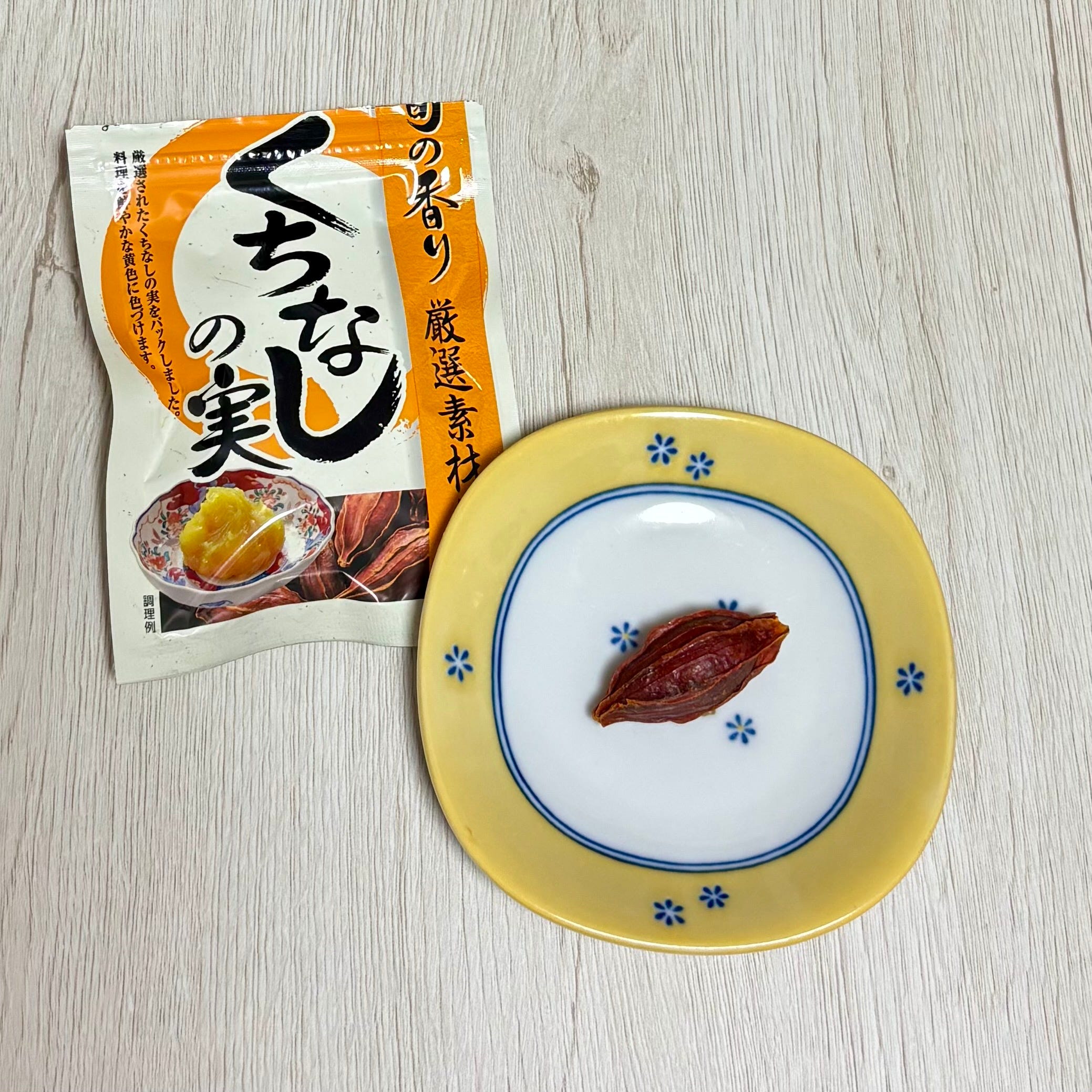
But boil it with sweet potatoes, and it dyes their flesh a color that stands in sharp contrast to their purple skins. It has no flavor or scent of its own. It needs to sit overnight for one reason only: color.
When I wake the next morning, the sweet potatoes are golden, evenly and beautifully. I simmer them briefly in syrup and add a little lemon juice. The fresh scent of citrus fills the kitchen.
When I taste one, the center is still firm and a little dry. I leave them to cool in the pot. This is when the flavor soaks in. Still, that is not enough. Even after they go into the bento box, they will keep using the hours, slowly coming closer to being finished.
At lunchtime, I open my bento.
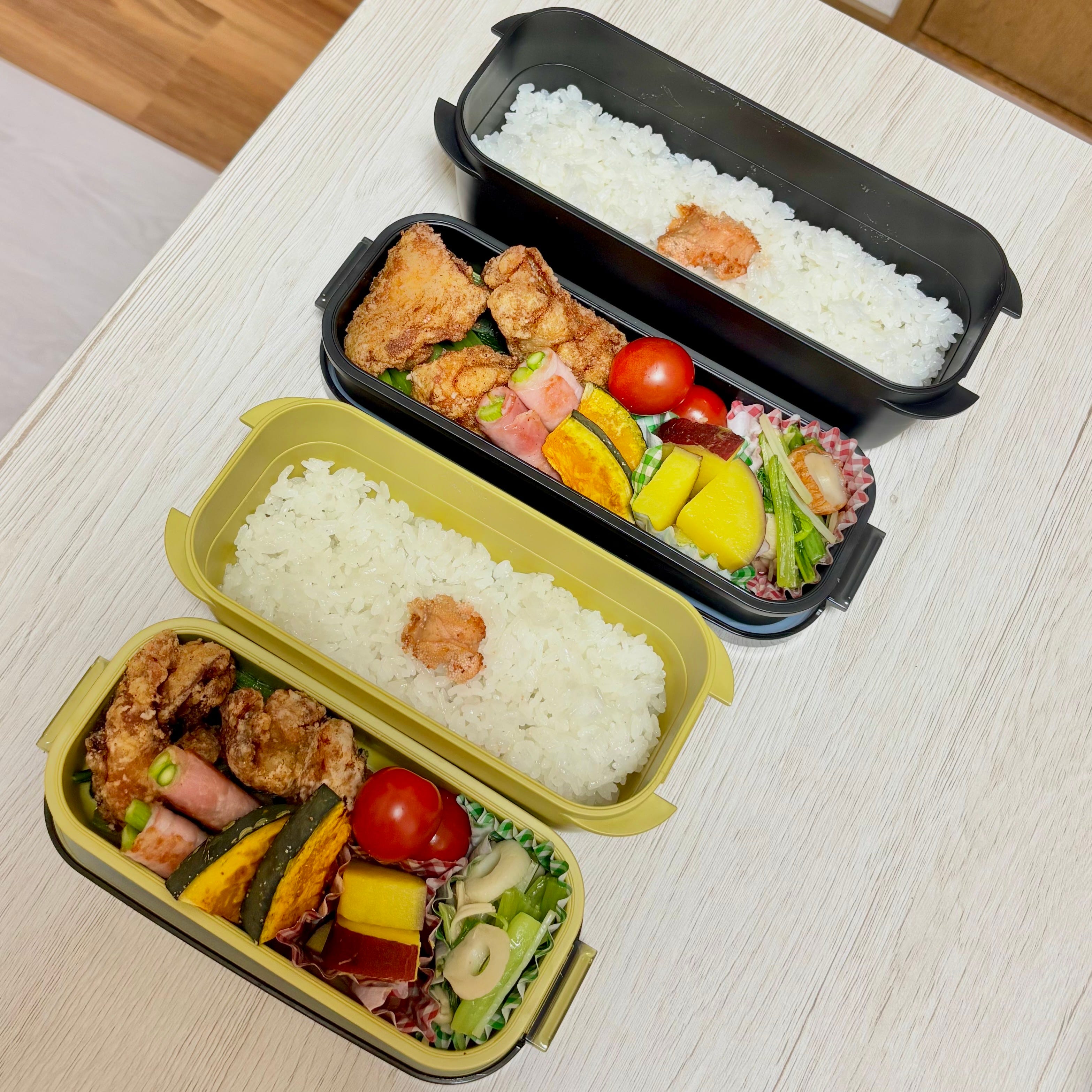
Against the plain wood grain of my desk, the side dishes stand out in bright colors.
The brown of karaage, delicious by definition; the pink of bacon wrapped around asparagus; the orange of kabocha squash; bright red tomatoes; the green of komatsuna; and the regal gold and purple of the sweet potatoes.
When I bite into a slice, it is moist and tender all the way through. The tartness and flavor of the lemon have settled in, and the taste has become more refined.
Both color and flavor take time.
My grandmother must have started on that same gold the night before, too.
Back home, I wash my bento box in the sink. When I peek into its twin, which my partner has left on the kitchen counter, I find it washed spotless, as it is every day.
Both are waiting for tomorrow.
Humming to myself, I rinse the rice and leave it to soak until morning.